
Composition
The BeSTRO educational and scientific committee is composed of:
– all coordinating supervisors (stagemeesters/maîtres de stages) or a representative
– 1 physicist
– a representative of the junior members
The following people are invited:
– 2 non-academic members: 1 Dutch speaking and 1 French speaking representative on behalf of the recognition committees (the members of the recognition committees are nominated by BARO). The invitation should be sent to the responsible governmental official.
– a representative of RTT and/or a quality manager in an observatory manner*
president of BeSTRO (e.g. organisation of Autumn meeting)
*This person is only invited for topics within the meeting that are relevant for RTT. He/she is able to inform the board of their needs to provide correct education and structure within the courses. He/she has no insight in the part of the meeting about the MCQs.

Prof. Dr. Guy Soete
Stagemeester UZ Brussel
Vrije Universiteit Brussel

Prof. Dr. Katrien Vandecasteele
Stagemeester UZ Gent
Universiteit Gent

Prof. Dr. Jean-François Daisne
Stagemeester Iridium Kankernetwerk
Universiteit Antwerpen

Prof. Dr. Caroline Weltens
Stagemeester UZ Leuven
Katholieke Universiteit Leuven

Prof. Dr. François Lallemand
Maître de stage CHU de Liège
Université de Liège
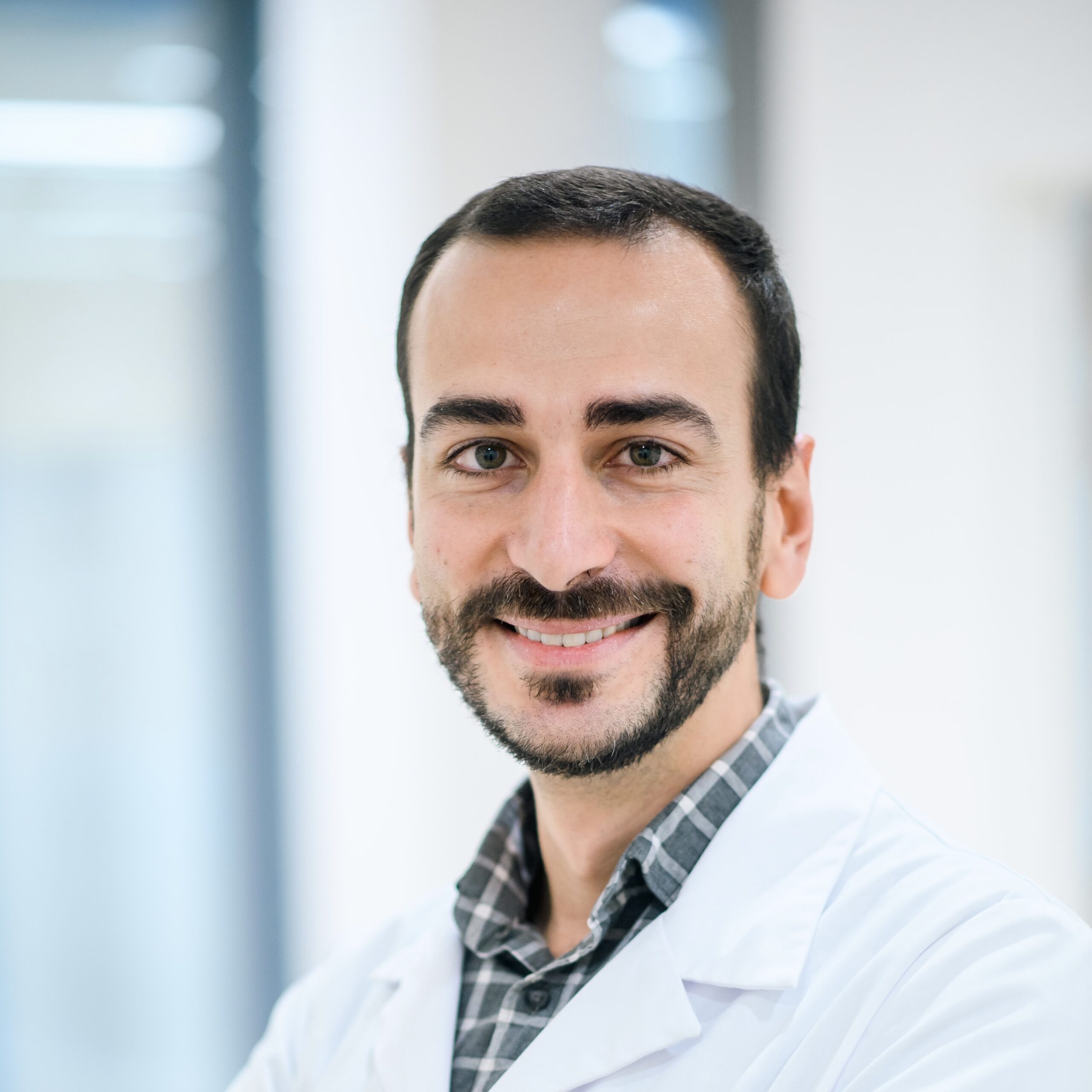
Prof. Dr. Dario Di Perri
Maître de stage Cliniques universitaires Saint-Luc
Université Catholique de Louvain

Prof. Dr. Philippe Martinive
Maître de stage Hôpital Universitaire de Bruxelles
Université Libre de Bruxelles

Dr. Thomas Descamps
Representative of the junior members
Dr. Frederik Vanhoutte
Physicist UZ Gent

Dr. Marc Brosens
Representative of the Dutch recognition committee

Dr. Olivier De Hertogh
Representative of the French recognition committee
Meetings: frequency and purpose
In general, this committee assembles three times per year:
- springtime:
- education in general (MaNaMa, Medbook)
- organisation of upcoming scientific meetings: Spring + Autumn meeting
- evaluation teaching courses and seminars current year (or organized after the last ESC meeting in springtime the year before)
- organisation teaching courses next year
- composition of the juries for the oral examinations
- one month before the examinations:
- screening of the MCQs for the official examination
- right after the examinations:
- evaluation of the examinations
- evaluation of each student + individual feedback to the student
